How to handle an angry customer: 3 mistakes to avoid and what to say
An angry customer at the desk is one of the hardest moments in customer service. He has a real problem, he has already lost time, and the first sentence you say decides whether he calms down or explodes. Most people know the theory: stay calm, listen, apologise. In the moment, most of us still say the wrong thing.
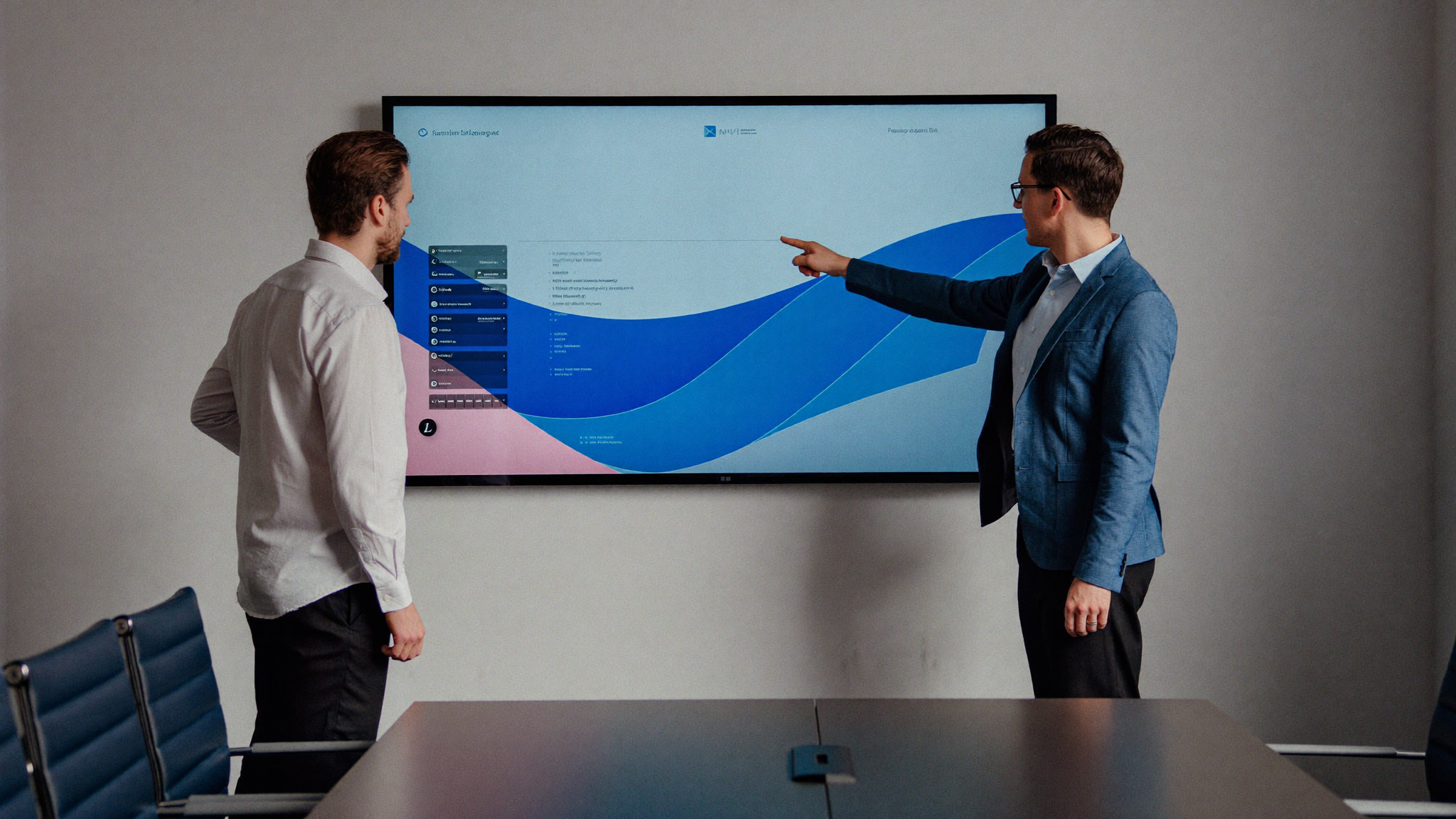
We tested it. Mame, our CEO, faced Thomas, an angry customer played by an AI, in a scenario built for Eurotunnel's service desk teams. Three decisive moments, two options each time. She got two out of three wrong. This guide breaks down the three mistakes, why they make things worse, and what to say instead.
Watch the challenge: 3 rounds against an angry customer
Thomas paid twice for the same crossing, missed his slot because of traffic, and his family is waiting in the car. Before each answer, ask yourself what you would do.
Final score: 35 out of 100. The anger gauge went up twice before it came down once. Here is what each round teaches.
Why an angry customer escalates
An angry customer is rarely angry at you. He is angry at a situation he cannot control: a double charge, a delay, nobody giving him a straight answer. What he wants first is not a solution. He wants proof that someone has understood what he is going through.
As long as that proof has not arrived, everything you say is heard as an attempt to get rid of him. A rule, an explanation, even a good solution: it all bounces off. That is the mechanism behind the three mistakes below.
The order matters more than the words
The right sequence is simple: acknowledge, then act. Most escalations come from reversing it, jumping to the rule or the fix before the customer feels heard. The words can be polite and still fail if they come in the wrong order.
Mistake 1: telling him to calm down
Round 1 of the challenge. Thomas opens with: "Are you in charge here? I've paid twice for the same crossing, and now it's late?" The two options: tell him to calm down, or let him vent. Mame chose the first: "Sir, please calm down."
The reaction was immediate: "Don't you start on that. I'll be calm the day somebody gives me a straight answer." The anger gauge went from 70 to 90.
Why it backfires
"Calm down" tells the customer that his reaction is the problem, not his situation. It sounds like a judgement, and it gives him a new reason to be angry: now he is not being taken seriously either.
What to say instead
Let him finish, then name the problem in his words: "You paid twice for one crossing, and the train is late. That's not acceptable, let's sort it out." You do not need to agree with everything. You need to show that you heard the facts.
Mistake 2: pointing out his mistake
Round 2. Thomas is still angry. The options: own the problem, or point out his mistake. Mame chose the second: "Technically, you did miss your train."
It is true. It is also the fastest way to reach maximum anger. Thomas: "The motorway was solid. I didn't plan to be late, so don't put that on me." The gauge hit 100.
Why being right does not help
When you correct an angry customer, you turn the conversation into a trial. He now has to defend himself, and a person who is defending himself does not listen. You may win the point, but you lose the customer.
What to say instead
Leave the question of fault for later, if it matters at all. Take ownership of what happens next: "Whatever happened on the road, my job now is to get you on a crossing today." The facts about the missed slot can come up later, once he is calm enough to hear them.
The right move: sum up his day
Round 3, at maximum anger. The options: sum up his day, or quote the policy. This time Mame got it right: "So if I understand, you paid twice, your family is in the car, and nobody is telling you anything. What an afternoon. Let me find your booking."
Thomas: "You've got the gist of it. So stop talking and start looking." It is not a thank you, but the gauge dropped from 100 to 75. That one sentence did more than the two previous answers.
Why a summary works
A summary is the proof he was waiting for. It shows that you listened to the whole story, not just the complaint. Naming the family in the car matters: it shows you understood what is really at stake for him, not only the ticket.
Quoting the policy, the trap of round 3
"Our terms and conditions state that..." is the most common answer at a service desk, because it protects the agent. To an angry customer, it sounds like a wall. Policies can be explained, but only after he feels heard, and only with a way forward.
After the calm: commit to something precise
The challenge does not end on round 3. Mame then offers a solution: "You'll be in Folkestone before 6, UK time. Is that okay?" The anger goes back up to 85: "I don't care about the time difference, mate. I'm talking about the 17:37."
The lesson: once the customer has calmed down, the solution must match exactly what he asked for. He was thinking about a specific train, not an arrival time. A vague or approximate commitment brings the anger back. Check what he wants before you promise: "Do you want me to look for the 17:37, or the first crossing available?"
A 4-step method to handle an angry customer
- Let him speak. Do not interrupt the first burst. Short signals are enough: "I see", "Go on".
- Sum up his situation. Facts and stakes, in his words: what happened, what it costs him.
- Own what comes next. Not the fault, the next step: "My job now is to..."
- Commit to something precise. A time, a name, a concrete action, checked with him before you promise it.
Phrases to avoid and phrases to use
- Avoid: "Calm down", "Technically...", "It's the policy", "There's nothing I can do", "You should have..."
- Use: "If I understand correctly...", "That's not acceptable, let's sort it out", "Here's what I can do right now", "Is that what you need?"
The same reflexes apply well beyond the service desk. A manager facing an upset employee needs the same order, acknowledge then act, as shown in our guide to the corrective conversation with an employee. And a salesperson facing an objection gains just as much from summing up before answering, see our sales objection handling method.
How to practise handling angry customers
Knowing the method is not enough. Under pressure, people fall back on reflexes, and the wrong reflexes are the ones that feel natural: defending yourself, correcting, quoting the rule. The only way to change them is to practise, several times, with real pressure.
Role-play, but realistic
Classic role-play with a colleague helps, but the colleague rarely holds the anger for long, and nobody wants to make mistakes in front of their team. An AI customer can stay angry, react to every word, and let you replay the scene as many times as needed, with a debrief at the end.
A real example: Eurotunnel's service desk teams
The scenario in the video comes from the work done with Eurotunnel (LeShuttle) for its service desk teams. The approach is detailed in our Eurotunnel customer relations case study.
Conclusion
Handling an angry customer comes down to three choices made under pressure: do not tell him to calm down, do not try to be right, and sum up his situation before offering anything. Then commit to something precise. Mame scored 35 out of 100 on her first attempt. That is the point of practising before the real thing.
Your turn: try a conversation with an AI customer on Face Up.
From reading to practice.
Pick a real-life situation and talk to an AI persona, by video with an avatar or by audio call. 5 to 10 minutes, no account, instant debrief.
Try a scenario →